


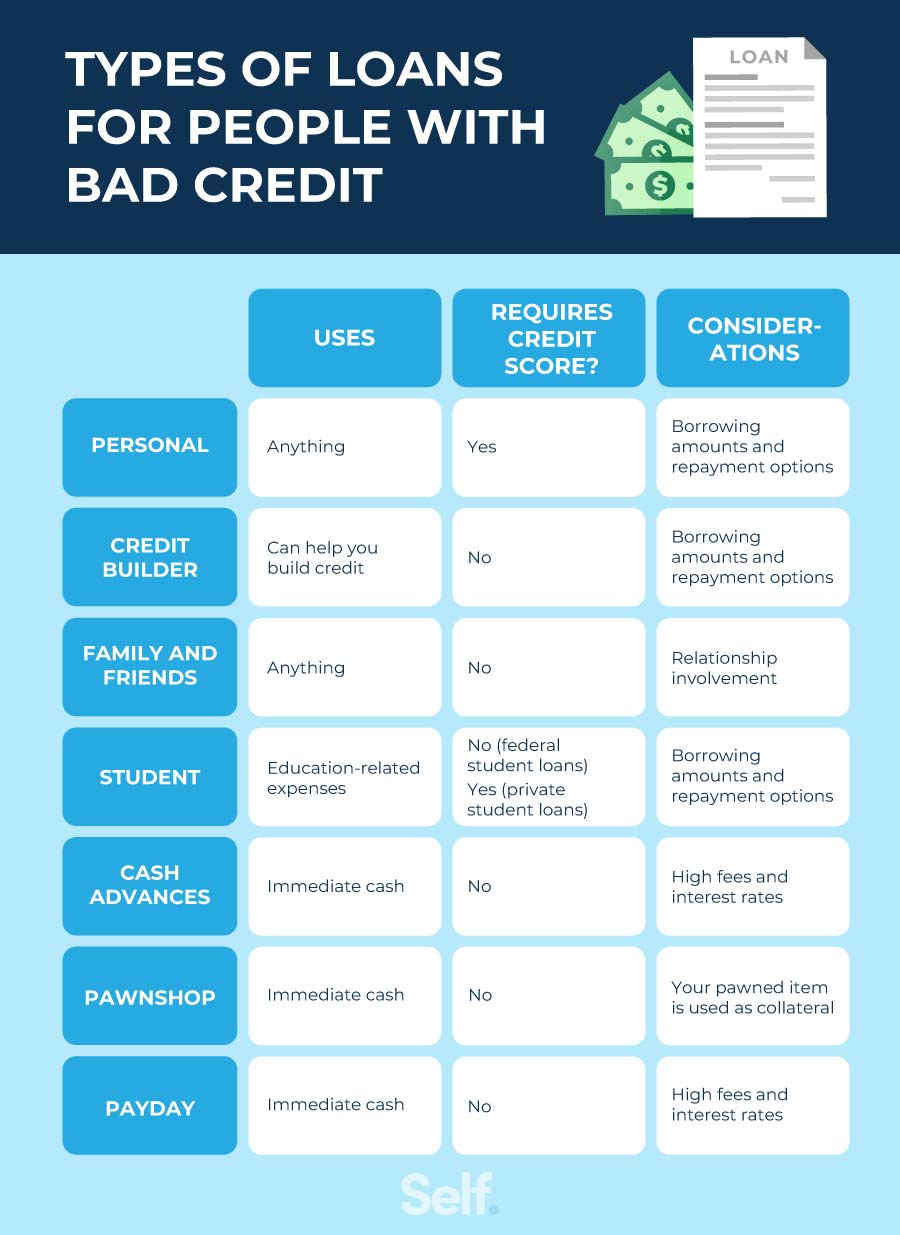
A lot of people think a low credit score is a financial death sentence. They assume that once their score dips below 600, traditional banks will shut their doors for good. That’s not true. While a bad score definitely makes borrowing more expensive, it’s not impossible to get credit. There is a massive secondary market of lenders specifically designed for people dealing with collections, late payments, or high debt-to-income ratios.
The market has changed. Lenders don’t just rely on a single FICO number to decide your fate anymore; they’re looking at a much wider mosaic of data. If you have a low score but a steady paycheck and a clear reason for the loan, you still have options. Just don’t walk into a bank and expect the same terms a doctor or an engineer gets. You’re entering a different arena with different rules, higher costs, and different players.
Navigating this requires looking past the marketing fluff. You need to know what these lenders actually care about and where you sit in the hierarchy of risk. If you’re looking for a way to bridge a financial gap, you need to know exactly how much that bridge will cost you in terms of interest and long-term debt.
The Math of High-Interest Lending
Interest rates are simply the price you pay for being a risk. When a lender looks at a borrower with “bad credit,” they aren’t just being mean; they are pricing in the mathematical probability that they might not get their money back. Because the risk of default is higher, the interest rates are much higher. That’s the trade-off: you get the cash you need today, but you pay for it with much larger monthly installments over the life of the loan.
It’s no secret. Online lenders often have a ceiling on what they can charge, but that ceiling is still high. For instance, online lenders often have a common interest rate cap of 35.99%. That is a massive jump from the single-digit or low double-digit rates seen in prime lending. If you take out a large loan at that rate, you might end up paying back double what you originally borrowed. Run the math before you sign anything.
You have to weigh the cost of the interest against the problem you’re actually solving. If you’re using a high-interest personal loan to consolidate high-interest credit card debt, you might actually save money. But if you’re using it to fund a lifestyle you can’t afford, you’re just digging a deeper hole. Debt is a tool, but for someone with bad credit, it can quickly become a weapon against their own solvency.
Why the Numbers Bite
When you compare loans, look at the APR, not just the interest rate. The APR includes the interest plus any origination fees the lender charges to process the loan. A lender might offer a low interest rate but then slap on a 5% fee just to give you the money. By the time you see the actual cost, it’s much higher than the advertised number. Always look at the total cost of borrowing.
| Lender Type | Credit Requirement | Typical Interest Rate Range | Risk Level |
|---|---|---|---|
| Traditional Banks | Good to Excellent (670+) | 6% – 25% | Low |
| Credit Unions | Fair to Good (600+) | 8% – 28% | Moderate |
| Online Specialty Lenders | Poor (Sub-580) | 18% – 36% | High |
How Lenders Evaluate Your Risk Profile
If your credit score is low, lenders look at everything else. They want to see that you are a reliable human being, even if your credit history is a mess. They look at your annual income to see if you have the “room” to take on more debt. They look at your current debt load to see if you are already drowning. They want to know that this new loan won’t be the straw that breaks your financial back.
Some lenders are more flexible. For example, some lenders have no minimum score requirement, meaning they will look at your bank statements and income rather than just a number from a bureau. This is a major shift in the industry. It allows people rebuilding their credit to access capital without being stuck in a cycle of payday loans or predatory lending.
The reason you’re borrowing matters too. Using a loan to consolidate debt or fix an emergency home repair is viewed differently than using a loan for a vacation. Lenders want to see “productive” use of funds. They want to see that the loan helps your financial health rather than destroying it. If you can prove this loan is a step toward stability, you’re in a much stronger position during the underwriting process.
It’s a tough balance. You have to prove you’re a risk worth taking. This is where many people fail. They focus so much on the amount they can get that they forget to prepare for the scrutiny of the application. You should have your pay stubs, tax returns, and a clear list of all monthly expenses ready before you even start.
The Importance of Income Verification
Income is the king of all variables. If you’re self-employed, the process gets harder. Lenders want to see stability, not just a high number. Two years of tax returns are often required for non-traditional income. If you can’t prove the money is coming in consistently, most high-risk lenders will just walk away. Stability beats high income every single time in the eyes of an underwriter.
Using services like GoodKnight Credit or similar financial tools can help you understand your standing before you start applying. Applying for multiple loans in a short window can actually hurt you by triggering multiple hard inquiries on your report. You want to be surgical with your applications, not reckless.
Finding the Right Match in a Crowded Market
There are too many lenders out there, and most are just middlemen. You need to know who is actually providing the money and who is just selling your data. Some platforms are better for comparing rates without a penalty, which is vital. You don’t want to go on a shopping spree only to find out your score dropped 20 points because of the inquiries.
For instance, you can use services like Acorn Finance to compare different options without a hard pull on your credit. This allows you to see what your rates might look like before you commit to a formal application. It’s a way to shop around without the “price” of the inquiry. This is the smartest way to handle bad credit because it prevents you from looking desperate to the bureaus.
You also have to decide between a secured and an unsecured loan. An unsecured loan is what most people mean when they say “personal loan.” It doesn’t require collateral. This is easier to get, but it’s much more expensive. A secured loan requires you to put something up, like a car title or a savings account. It’s cheaper, but if you miss a payment, they take your stuff. It’s a high-stakes gamble.
- Unsecured Loans: Faster to get, no collateral needed, much higher interest rates.
- Secured Loans: Lower interest rates, requires collateral, higher risk to assets.
- Co-signed Loans: Lower rates, requires a person with good credit to vouch for you, high risk for the co-signer.
Don’t rush. It’s tempting to grab the first offer that comes through your inbox, especially when you’re in a bind. But that first offer is often the most expensive. Take the time to read the fine print. Look for “prepayment penalties”—some lenders will charge you a fee just for paying the loan off early. That is a predatory practice that can make an expensive loan even worse.
The Long-Term Strategy for Credit Recovery
A loan should be a tool for recovery, not a permanent part of your life. If you take out a personal loan to consolidate debt, your goal must be to never use those credit cards again. If you pay off your cards with a loan and then immediately run the cards back up to their limits, you have doubled your debt and increased your interest rate. That is how people end up in bankruptcy.
But if you use it correctly, a loan can actually help you build credit. Using a small loan and making every single payment on time is one of the most effective ways to raise a score. You are proving to the bureaus that you can handle a structured repayment plan. It’s a controlled way to rebuild your reputation in the financial world. It requires discipline, but the payoff is significant.
You have to be blunt with yourself about your spending. If you can’t manage a budget without a loan, a loan won’t fix your life. It will only delay the inevitable. Treat the loan as a temporary bridge, not a permanent lifestyle adjustment. The goal is to get back to a place where you can borrow from a traditional bank at a 7% interest rate, not a specialty lender at 30%.
Manage your debt-to-income ratio. As you pay down the loan, your ratio improves. As your ratio improves, your score should climb. This is a slow, grinding process. There are no shortcuts. You can’t “hack” the credit system or use a “booster” service to fix a bad history. You have to prove you’re reliable through consistent, boring, and repetitive on-time payments.
The reality of bad credit is that you have more options than you think, but they come with a heavy price tag. If you can navigate the high interest rates and the strict scrutiny of lenders, you can find the capital you need to stabilize your situation. Just ensure that the loan is a tool for your future, not a weight around your neck.